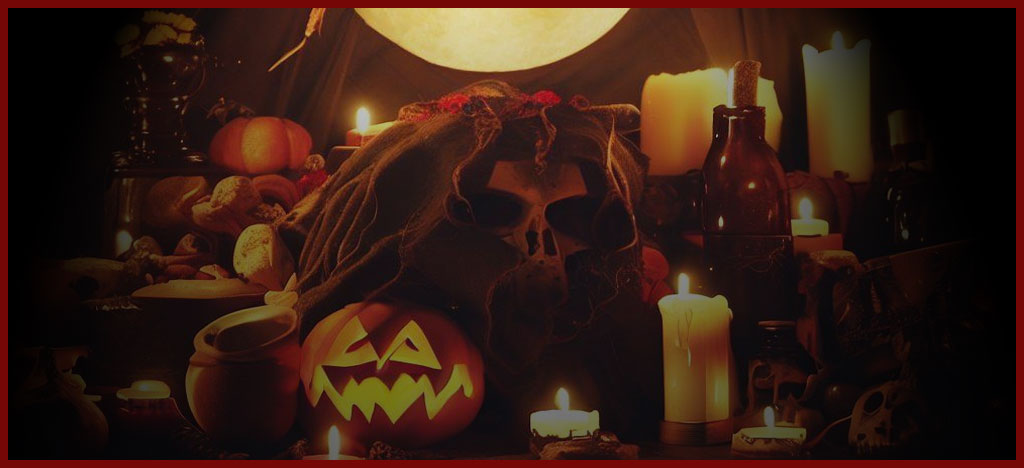
Samhain in the UK
Samhain is a pagan festival that marks the end of the harvest season and the beginning of winter. It is celebrated on October 31st, the same day as Halloween.
Samhain is derived from the Gaelic word for “summer’s end” and is considered a time when the veil between the worlds of the living and the dead is thinnest. This allows for communication and interaction with spirits and ancestors.
Many pagans in the UK observe Samhain as a sacred and spiritual occasion, honouring their ancestors and departed loved ones, as well as preparing for the dark half of the year. Some of the common ways to celebrate Samhain include:
- Setting up an altar with photos, candles, incense, and offerings for the ancestors.
- Carving turnips or pumpkins with faces or symbols to ward off evil spirits and light up the night.
- Lighting bonfires and jumping over them for purification and luck.
- Divination using tarot cards, runes, pendulums, or other methods to seek guidance from the spirits.
- Feasting and sharing food with family, friends, and the spirits. Leaving some food outside for the wandering souls.
- Dressing up in costumes or masks to confuse or scare away unwanted spirits or to honor a specific ancestor or deity.
- Meditating, chanting, drumming, or performing rituals to connect with the spirit world and express gratitude for the harvest.
Samhain is not a scary or evil festival, but rather a respectful and joyful one. It is a time to remember and honour those who have gone before us, as well as to embrace the cycle of life and death. Samhain is also a time to reflect on our own lives and goals, and to make plans for the coming year.


© Colin Lawson Books