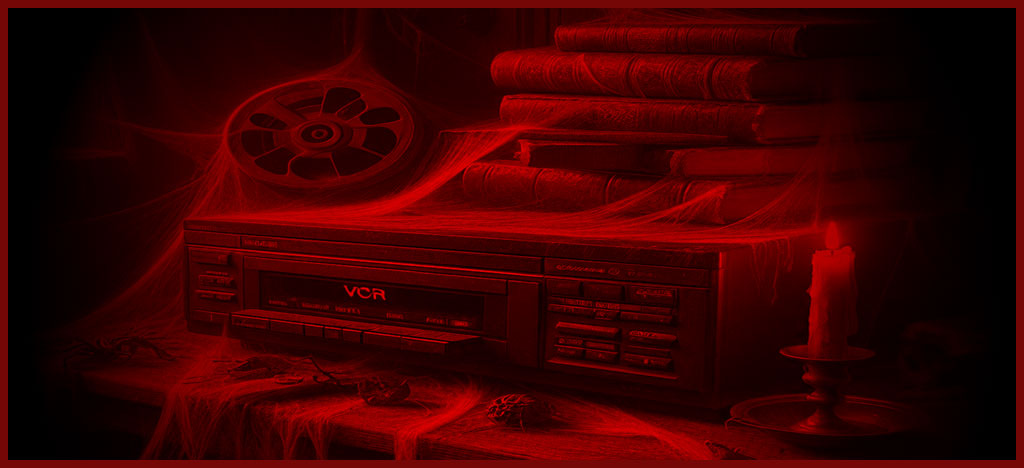
A Nasty Business: The Rise of the Video Nasty
In the early 1980s, a new phenomenon emerged in the UK: the video nasty. These were low-budget horror films, often imported from the US or Italy, that contained graphic scenes of violence, gore, and sex. They were distributed on VHS tapes, which bypassed the censorship of the British Board of Film Classification (BBFC).
The video nasty sparked a moral panic among the media, politicians, and religious groups, who claimed that they corrupted the youth and incited crime. The video nasty also attracted a cult following of fans who enjoyed the thrill and shock of these films.

The self-styled moral crusader, Mary Whitehouse, campaigned against what she perceived as the decline of moral standards in British media, especially television. She was particularly outraged by the availability of video nasties, which she considered to be “evil” and “depraved”. Writing to the Home Secretary, she urged him to ban these films and prosecute their distributors. Whitehouse went on to compile a list of 72 titles that she deemed to be the most offensive and harmful.
Mat Whitehouse did all of this despite boldly claiming in a TV interview that she never actually watched any of the videos. simply the titles and what she had heard about them were enough for her to add them to her growing list of nasties, a list that would send shockwaves throughout the British video industry – echoes of these shockwaves can still be felt today.
Whitehouse’s list of targeted titles included films such as:
- The Driller Killer
- Cannibal Holocaust
- I Spit on Your Grave
- The Evil Dead
- The Texas Chain Saw Massacre

As mentioned earlier, the list was not based on any objective criteria, but rather on Whitehouse’s personal, some might say uninformed, opinion and her taste. Some of the films on the list had already been passed by the BBFC with cuts, while others had never been submitted for classification. The list was widely circulated in the press and among video rental shops, creating a demand for these films among curious and rebellious viewers.
The government responded to the public outcry by passing the Video Recordings Act in 1984. This act required all video releases to be classified by the BBFC, and made it illegal to sell or rent unclassified videos. It also gave the police the power to seize and destroy any video tapes that they suspected of being obscene or harmful.
The act was enforced with raids on video shops and warehouses, resulting in thousands of tapes being confiscated and destroyed. Many video distributors were arrested and prosecuted, facing hefty fines or even prison sentences.

The Video Recordings Act effectively ended the era of the video nasty in the UK. However, it also sparked a debate about censorship, freedom of expression, and artistic merit. Some critics argued that the act was an infringement on civil liberties and a violation of human rights. Their claim was that the video nasty was a form of underground cinema that challenged the mainstream norms and conventions. They also pointed out that there was no evidence that these films had any negative effects on society or individuals. It was argued ny the critics that viewers had the right to choose what they wanted to watch, and that adults should not be treated like children.
The video nasty remains a controversial and fascinating topic in film history and culture. It reflects the social and political tensions of its time, as well as the evolution of technology and media. It also reveals the diverse and complex tastes and preferences of horror fans, who seek out different kinds of experiences and emotions from their films. The video nasty is a testament to the power and appeal of horror cinema, which can provoke fear, disgust, anger, laughter, or admiration.

© Colin Lawson Books