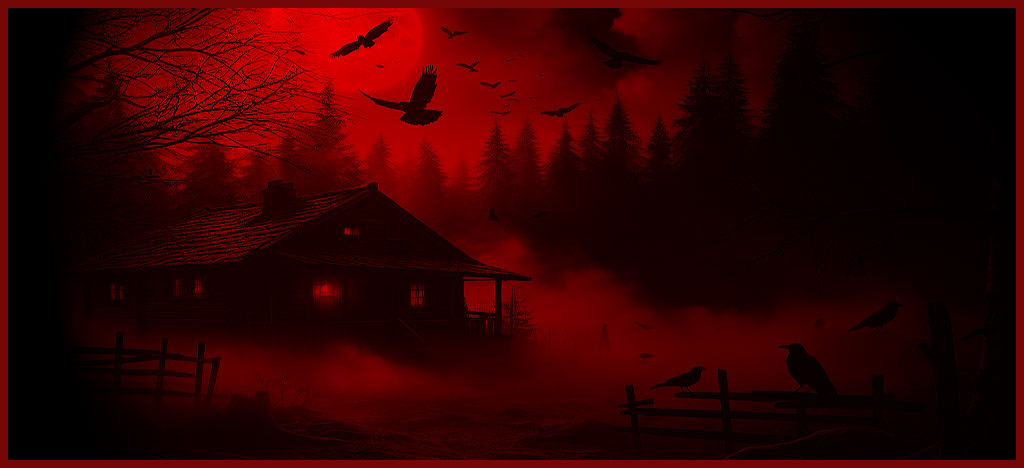
How To Create A Creepy Atmosphere In Your Horror Story
If you want to write a horror story that will keep your readers on the edge of their seats, you need to create a creepy atmosphere that will make them feel uneasy and scared. Here are some tips on how to do that:
Use sensory details.
Describe the sights, sounds, smells, tastes and textures of the setting and the characters. Use vivid and specific words that will evoke the emotions you want your readers to feel. For example, instead of saying “the room was dark”, you could say “the room was shrouded in shadows, and the only light came from a flickering candle that cast eerie shapes on the walls”.
Use foreshadowing.
Hint at what is going to happen later in the story, but don’t reveal too much. This will create a sense of suspense and anticipation in your readers. For example, you could mention a strange noise that the protagonist hears, but doesn’t investigate, or a mysterious object that they find, but don’t open.
Use contrast.
Create a contrast between the normal and the abnormal, the familiar and the unfamiliar, the safe and the dangerous. This will make the creepy elements stand out more and create a sense of unease in your readers. For example, you could set your story in a place that is usually associated with comfort and security, like a home or a school, but then introduce something that is out of place or threatening, like a ghost or a killer.
Use unreliable narration.
Make your readers doubt the reliability of the narrator or the protagonist. This will create a sense of confusion and paranoia in your readers. For example, you could make your narrator or protagonist suffer from hallucinations, delusions, memory loss, or mental illness, or have them lie or withhold information from the readers.
Use cliff-hangers.
End your chapters or scenes with a twist, a revelation, a question, or a danger. This will make your readers want to read on and find out what happens next. For example, you could end a chapter with the protagonist discovering a dead body, or hearing someone knock on the door, or seeing something move in the dark.
Using just some of the suggestions I’ve made will allow you to see improvements in the atmosphere of your horror stories.

© Colin Lawson Books