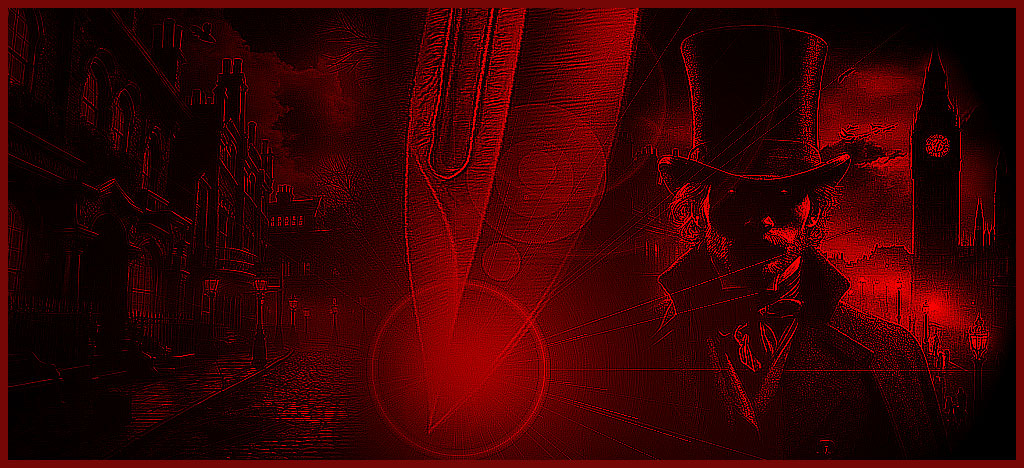
Jack the Ripper and the Whitechapel Murders
The Whitechapel Murders, also known as the Jack the Ripper murders, were a series of gruesome and unsolved murders that took place in the East End of London in 1888. The killer, who became known as Jack the Ripper, terrorized the streets of Whitechapel and left a trail of fear and mystery in his wake. In this article, we will delve into the history of these infamous murders and explore the dark alleys of Whitechapel where they took place.
The Whitechapel Murders
The Whitechapel Murders were a series of eleven brutal killings that occurred between April 1888 and February 1891. The victims were all women, most of whom were prostitutes, and their bodies were found in the impoverished and crime-ridden area of Whitechapel in the East End of London.
The first victim, Mary Ann Nichols, was found on August 31, 1888, in a dark alleyway off of Whitechapel Road. She had been brutally murdered, with her throat slit and her abdomen mutilated. The killer continued to strike, with the last known victim, Mary Jane Kelly, being found on November 9, 1888. The murders were characterized by the killer’s signature of mutilating the victims’ bodies, leading to the belief that they were all the work of one person.

The Victims
The victims of the Whitechapel Murders were all women who lived and worked in the East End of London. They were all from impoverished backgrounds and many of them turned to prostitution as a means of survival. The victims were:
- Mary Ann Nichols
- Annie Chapman
- Elizabeth Stride
- Catherine Eddowes
- Mary Jane Kelly
- Rose Mylett
- Alice McKenzie
- Frances Coles
- Martha Tabram
- Emma Smith
- Unknown woman (believed to be a victim of the Ripper)
The Hunt for Jack the Ripper
The brutal and gruesome nature of the Whitechapel Murders captured the attention of the public and the media, and the killer was soon dubbed “Jack the Ripper” by the press. The police launched a massive investigation, but despite numerous suspects and leads, the killer was never caught.

The lack of forensic evidence and the killer’s ability to evade capture led to many theories and speculations about the identity of Jack the Ripper. Some believed that he was a doctor or a member of the royal family, while others thought he was a local butcher or a sailor. The mystery of Jack the Ripper’s identity continues to fascinate people to this day, and many books, movies, and TV shows have been dedicated to the subject.
The Dark Alleys of Whitechapel
Whitechapel in the late 19th century was a dark and dangerous place. The area was known for its poverty, crime, and overcrowding, and it was a haven for criminals and prostitutes. The narrow and winding streets of Whitechapel were perfect for someone like Jack the Ripper to hide and escape unnoticed.

The dark alleys and backstreets of Whitechapel were also the perfect hunting ground for the killer. The lack of street lighting and the maze-like layout of the area made it easy for him to stalk his victims and disappear into the night. The residents of Whitechapel lived in constant fear, and many women resorted to carrying weapons for protection.
The Legacy of Jack the Ripper
The Whitechapel Murders and the legend of Jack the Ripper have left a lasting impact on the East End of London. The area has become a popular tourist destination, with many people visiting the sites where the murders took place. The Ten Bells pub, where some of the victims were known to frequent, still stands today and is a popular spot for Ripper enthusiasts.
The legacy of Jack the Ripper also lives on in the form of books, movies, and TV shows. The mystery surrounding the identity of the killer continues to captivate people, and many theories and speculations have been put forward over the years. The Whitechapel Murders have become a part of popular culture, and the name Jack the Ripper is synonymous with terror and mystery.
Conclusion
The Whitechapel Murders and the legend of Jack the Ripper have become a part of history and continue to fascinate people to this day. The dark alleys of Whitechapel, where the killer roamed, still hold a sense of mystery and fear. The legacy of Jack the Ripper lives on, and the identity of the killer may never be known. But one thing is for sure, the Whitechapel Murders will always be remembered as one of the most infamous and terrifying series of murders in history.

© Colin Lawson Books