Writing a Horror Novel: Plan It or Wing It?
If you’re a budding horror writer or even if you are experienced with multi publications under your belt, you might have wondered how your favourite authors come up with their terrifying ideas and turn them into gripping stories.
Do they plan every detail in advance, or do they let the story unfold as they write? Do they follow a strict outline, or do they improvise along the way? What route should you take in your writing journey – should you plan it or wing it?
There is no definitive answer to this question, as different writers have different methods and preferences. Some horror writers swear by outlining, while others prefer to write by the seat of their pants. Some find planning helpful, while others find it stifling. Some switch between the two approaches depending on the project.
In this blog post, we’ll explore what some of the most famous horror writers have to say about planning a novel or winging it, and what advantages and disadvantages each option has. We’ll also share some tips and advice on how to choose the best approach for your own horror writing.
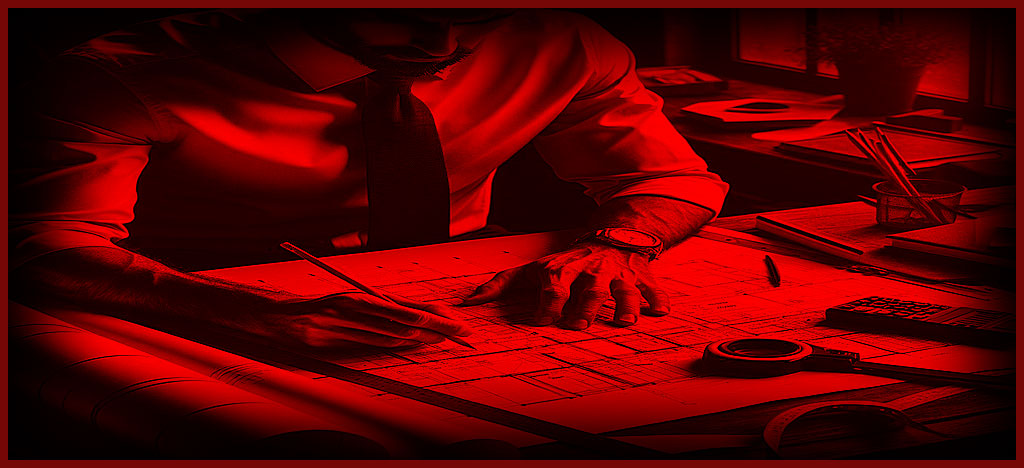
Planning a Horror Novel

Planning a horror novel means creating a detailed outline of the plot, characters, setting, and themes before you start writing. This can involve writing down the main events, scenes, twists, and endings, as well as sketching out the personalities, motivations, and backgrounds of your characters.
Some of the benefits of planning a horror novel are:
– It can help you avoid plot holes, inconsistencies, and loose ends.
– It can help you create a coherent and logical structure for your story.
– It can help you maintain a consistent tone and pace throughout your novel.
– It can help you keep track of your subplots, themes, and symbols.
– It can help you save time and energy by reducing the need for extensive revisions.
Some of the drawbacks of planning a horror novel are:
– It can limit your creativity and spontaneity.
– It can make your writing feel rigid and predictable.
– It can make you lose interest in your story if you already know everything that will happen.
– It can make you reluctant to change or improve your story if it deviates from your outline.
Some of the famous horror writers who advocate planning a novel are:
– Stephen King: The master of horror is known for his meticulous outlines that can span hundreds of pages. He believes that planning helps him create complex and realistic characters, as well as intricate and surprising plots. He says: “I always try to write on the principle of the iceberg. There is seven-eighths of it underwater for every part that shows.”
– Joyce Carol Oates: The prolific author of Gothic and psychological horror novels also relies on extensive outlines that she revises several times before writing. She says: “I never begin a novel until I have a fairly clear idea of how it is going to end.”
– David Morrell: The creator of Rambo and author of several thrillers and horror novels uses a three-act structure to plan his stories. He says: “I need to know where I’m going before I start. Otherwise I’ll wander around and waste a lot of time.”
Winging a Horror Novel

Winging a horror novel means writing without a preconceived plan or outline, letting the story emerge as you go along. This can involve following your intuition, inspiration, and imagination, as well as discovering your characters, setting, and themes as you write.
Some of the benefits of winging a horror novel are:
– It can enhance your creativity and originality.
– It can make your writing feel more natural and organic.
– It can make you more invested in your story as you explore its possibilities.
– It can make you more flexible and adaptable to change or improve your story as you write.
Some of the drawbacks of winging a horror novel are:
– It can lead to plot holes, inconsistencies, and loose ends.
– It can lead to a lack of structure and direction for your story.
– It can lead to an uneven tone and pace throughout your novel.
– It can lead to confusion and frustration if you get stuck or lost in your story.
– It can lead to more time and energy spent on revisions.
Some of the famous horror writers who advocate winging a novel are:
– Joe Hill: The son of Stephen King and author of several acclaimed horror novels and comics writes without an outline, relying on his instincts and curiosity. He says: “For me it’s more fun if I don’t know what’s going to happen next. I like to be surprised by my own story.”
– Harlan Ellison: The legendary writer of speculative fiction and horror stories also writes without a plan, preferring to let his subconscious guide him. He says: “I don’t plot my stories. I just start writing and see where it takes me.”
– Jack Ketchum: The author of some of the most disturbing and controversial horror novels of all time also writes by the seat of his pants, trusting his emotions and reactions. He says: “I don’t outline. I just start with a situation and a character and see what happens.”
Choosing the Best Approach for Your Horror Writing

As you can see, there is no right or wrong way to write a horror novel. Planning and winging are both valid and effective methods, depending on your personality, style, and goals. The best approach for your horror writing is the one that works for you.
However, if you’re still unsure about which option to choose, here are some questions to ask yourself:
– What kind of horror story do you want to tell? Is it more plot-driven or character-driven? Is it more realistic or fantastical? Is it more complex or simple?
– What kind of horror writer are you? Are you more analytical or intuitive? Are you more organised or spontaneous? Are you more disciplined or adventurous?
– What kind of horror reader are you? Do you prefer stories that are more structured or unpredictable? Do you prefer stories that are more logical or imaginative? Do you prefer stories that are more consistent or surprising?
Based on your answers, you can decide whether planning or winging suits your horror writing better. You can also experiment with both methods and see which one produces better results for you. You can also combine both methods and use a loose outline that allows for flexibility and creativity.
The most important thing is to enjoy the process of writing a horror novel and to create a story that scares and entertains your readers. Whether you plan or wing it, remember to follow your passion and vision, and to have fun along the way.
© Colin Lawson Books